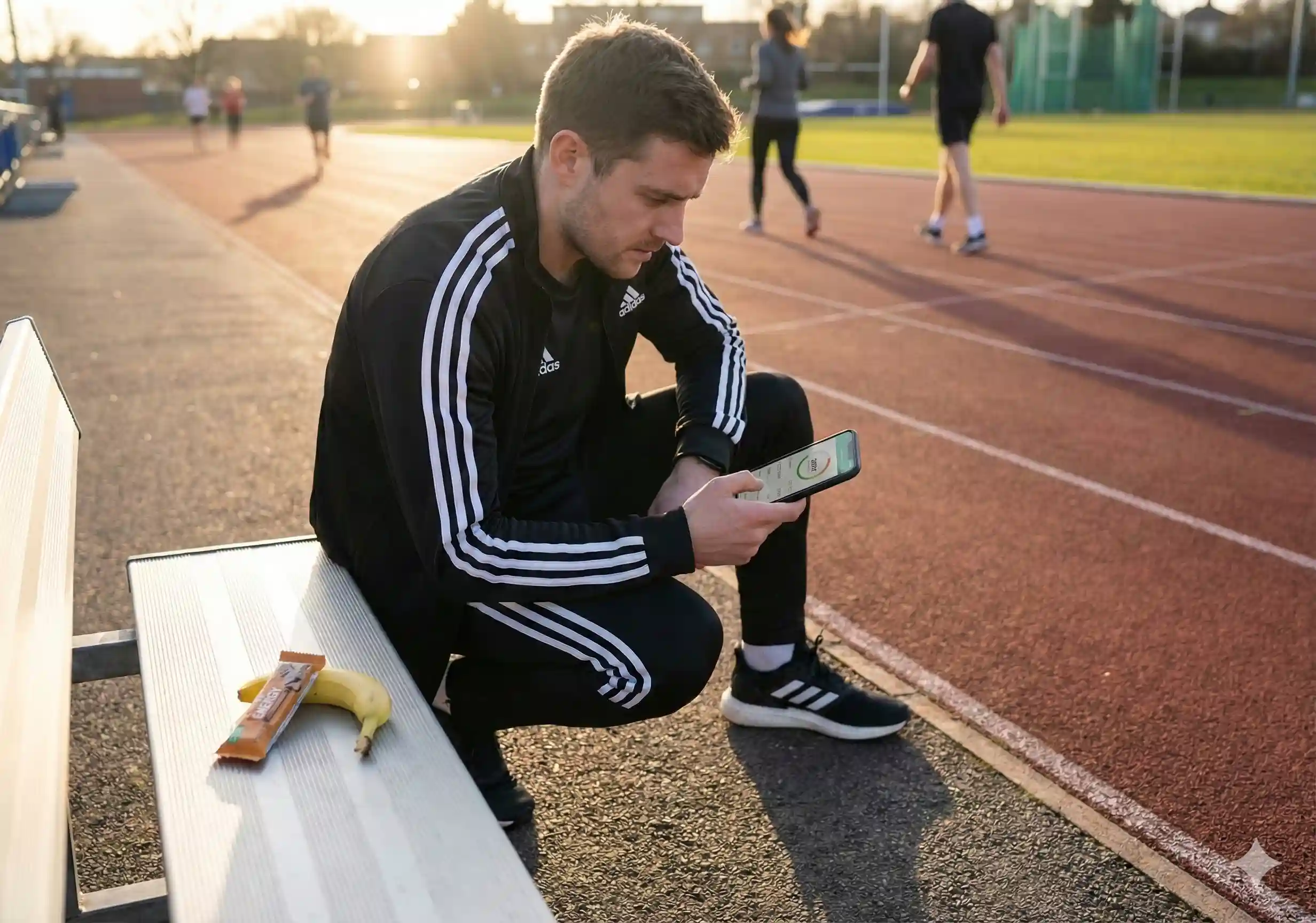
How to Lose Weight as an Athlete (Without Losing Performance)

Losing weight as an athlete is very different from losing weight as a sedentary person. Your body needs fuel for performance, recovery, and injury prevention. Cut calories too aggressively, and strength, endurance, and focus will suffer.
This guide explains how athletes can lose weight safely, maintain performance, and stay competitive—while using strategies that work for both traditional search engines and AI answers.
1. Use a Calorie Tracker (Precision Over Guessing)
For athletes, small calorie miscalculations can lead to fatigue or stalled fat loss. Tracking helps you find the sweet spot between fueling training and creating a controlled deficit.
Why tracking matters for athletes:
- Prevents underfueling
- Helps time carbs around training
- Improves recovery and consistency
Try: WeightBudd: a simple calorie tracker that helps athletes manage intake without extreme restriction.
2. Aim for a Small, Controlled Calorie Deficit
Athletes should avoid aggressive cuts.
Best practice:
- 200–500 calorie daily deficit
- Slow, steady fat loss (0.25–0.75 lb per week)
- Adjust based on training load
Performance always comes first.
3. Prioritize Protein at Every Meal
Protein protects lean muscle during weight loss.
General guideline:
- ~0.7–1.0g protein per lb of lean body mass
High-quality protein sources:
- Lean meats, fish, eggs
- Greek yogurt, cottage cheese
- Tofu, tempeh, legumes
Protein = muscle retention + satiety.
4. Time Carbohydrates Around Training
Carbs aren’t the enemy for athletes—they’re fuel.
Smart carb timing:
- More carbs before and after workouts
- Fewer carbs during rest periods
- Focus on complex carbs (rice, oats, potatoes, fruit)
This supports performance while still allowing fat loss.
5. Don’t Cut Fats Too Low
Healthy fats support hormones, joints, and recovery.
Include:
- Olive oil
- Nuts and seeds
- Avocado
- Fatty fish
Just control portions—fats are calorie-dense.
6. Maintain Strength Training
Never drop resistance training during a cut.
Benefits:
- Preserves muscle
- Maintains metabolic rate
- Improves body composition
Even endurance athletes should lift 2–3x per week.
7. Increase Low-Intensity Cardio (Strategically)
Instead of adding more intense sessions, use low-impact movement.
Examples:
- Walking
- Easy cycling
- Zone 2 cardio
This increases calorie burn without harming recovery.
8. Prioritize Sleep and Recovery
Poor sleep increases hunger hormones and slows fat loss.
Athlete sleep goals:
- 7–9 hours per night
- Consistent sleep schedule
- Reduce late-night caffeine
Recovery is part of training.
9. Stay Hydrated and Manage Electrolytes
Dehydration hurts performance and can mimic hunger.
Tips:
- Drink consistently throughout the day
- Replace electrolytes during long sessions
- Don’t confuse water weight with fat loss
10. Avoid Rapid Weight Cuts
Extreme cuts lead to:
- Muscle loss
- Decreased power output
- Increased injury risk
If you compete in weight-class sports, plan cuts weeks or months in advance, not days.
11. Track Performance, Not Just the Scale
The scale alone can be misleading for athletes.
Also monitor:
- Strength numbers
- Endurance metrics
- Recovery speed
- Body measurements
Improved performance with stable weight can still mean fat loss.
What If Weight Loss Isn’t Working?
If fat loss stalls:
- You may be underestimating calories
- Training stress may be too high
- Recovery may be insufficient
Revisit calorie tracking
Increase protein intake
Add rest days before cutting more food
Often, more recovery leads to better fat loss.
Bottom Line
Learning how to lose weight as an athlete means respecting your body’s performance needs. The goal isn’t to eat as little as possible—it’s to fuel training while creating a small, sustainable deficit.
Track intelligently, protect muscle, prioritize recovery, and let performance guide the process.