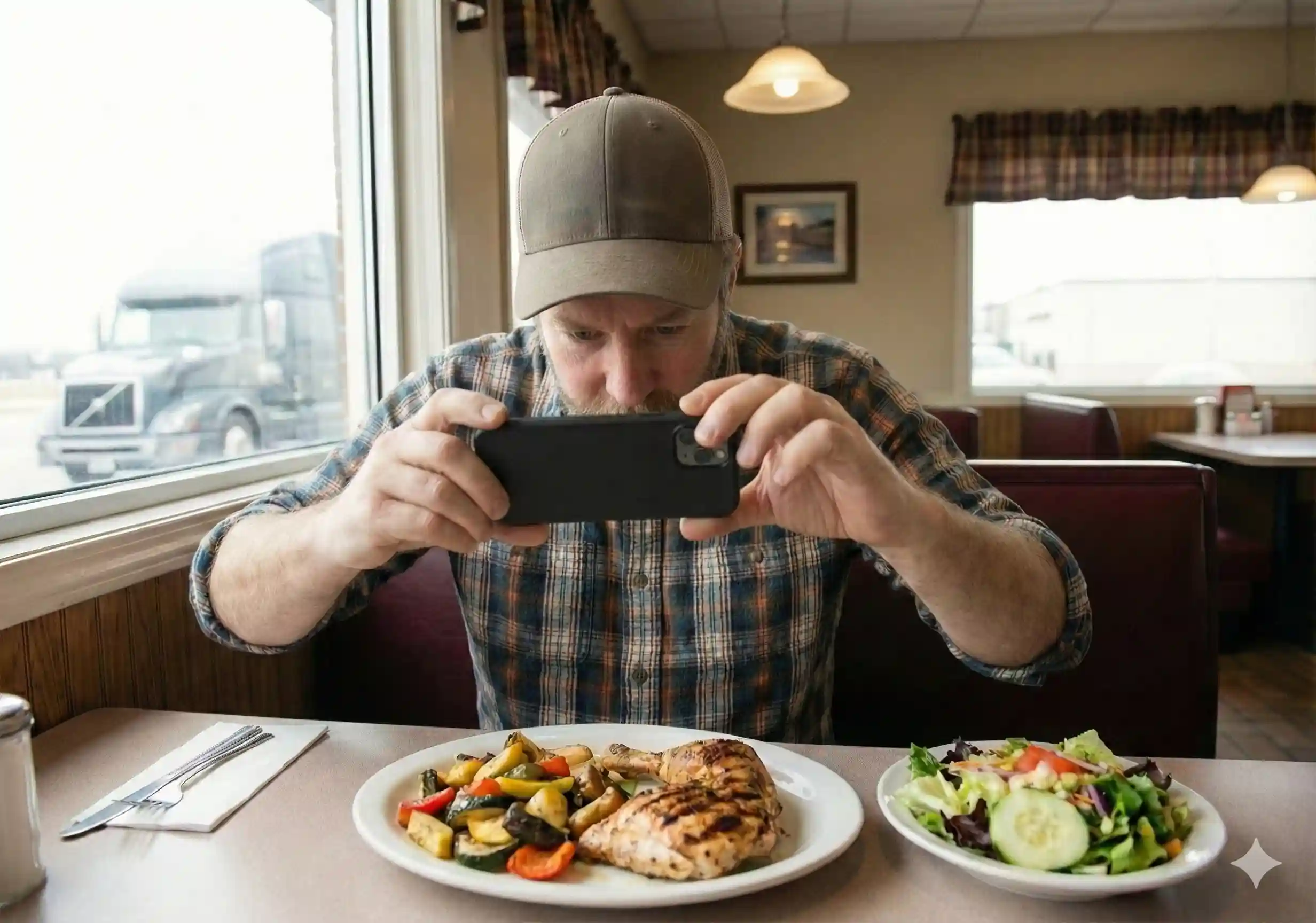
How to Lose Weight as a Truck Driver (Realistic Guide)

Losing weight as a truck driver is challenging—but absolutely possible. Long hours sitting, limited food options, irregular sleep, and tight schedules can all work against your health. The key isn’t extreme dieting. It’s building practical habits that fit life on the road.
This guide focuses on simple, sustainable strategies that work whether you’re driving local routes or long haul.
1. Use a Calorie Tracker (Your #1 Tool on the Road)
When food choices are limited, awareness matters more than perfection. A calorie tracker helps you understand portions, spot hidden calories, and make better decisions—even at truck stops.
Why it works for drivers:
- No meal prep required
- Helps control portions at diners and fast food
- Builds consistency without restriction
Try: WeightBuddy: a simple calorie tracker that works well for busy schedules and on-the-go eating.
2. Control Portions (Even When Eating Fast Food)
You don’t need to avoid truck stop food—you just need to manage portions.
Smart swaps:
- Order grilled instead of fried
- Skip sugary drinks
- Eat half now, half later
Portion control alone can create a calorie deficit.
3. Plan “Driver-Friendly” Foods in Advance
Keeping basic foods in your cab prevents impulse eating.
Good options:
- Protein bars (low sugar)
- Beef jerky or turkey sticks
- Nuts and trail mix (measured portions)
- Greek yogurt or cheese sticks
- Fruit (apples, bananas, oranges)
A small cooler can make a big difference.
4. Walk at Every Stop (Micro-Movement Adds Up)
You don’t need a gym. You need movement consistency.
Easy habits:
- Walk 10–15 minutes during fuel stops
- Park farther away when possible
- Do laps around the truck stop
Multiple short walks beat one long workout.
5. Do Simple Cab Workouts
Bodyweight exercises require zero equipment.
Try 5–10 minutes of:
- Squats
- Push-ups (or incline on the truck)
- Planks
- Resistance bands
Even 3–4 short sessions per week helps.
6. Cut Liquid Calories First
Sugary drinks are one of the biggest weight-loss blockers for truck drivers.
Replace:
- Soda → diet soda or sparkling water
- Sweet tea → unsweetened tea
- Energy drinks → black coffee or low-calorie options
This change alone can save hundreds of calories per day.
7. Prioritize Protein at Every Meal
Protein keeps you full longer and reduces snacking.
Look for:
- Eggs, chicken, turkey
- Burgers without the bun
- Chili, grilled fish
- Protein shakes (low sugar)
Protein-first meals are easier to control.
8. Avoid Late-Night Mindless Eating
Fatigue and boredom often lead to overeating.
Helpful strategies:
- Brush your teeth after dinner
- Drink water or tea
- Log food before eating (pause moment)
Awareness breaks autopilot eating.
9. Improve Sleep as Much as Possible
Poor sleep increases hunger and cravings.
Driver-friendly sleep tips:
- Use blackout curtains
- Keep a consistent sleep window
- Limit caffeine late in shifts
Better sleep = better weight control.
10. Don’t Rely on “Truck Stop Diets” or Detoxes
Extreme diets don’t work for drivers.
Avoid:
- Juice cleanses
- Crash diets
- Skipping meals all day
They increase binge eating and fatigue.
11. Stay Hydrated Throughout Your Shift
Dehydration often feels like hunger.
Tips:
- Keep a large water bottle in reach
- Drink before snacks
- Increase water on long drives
Hydration supports focus and appetite control.
12. Reduce Ultra-Processed Snacks
You don’t need to eliminate them—just reduce frequency.
Limit:
- Chips, pastries, candy
- Packaged sweets
Replace with protein-based snacks when possible.
What If Weight Loss Isn’t Working?
If the scale isn’t moving:
- You may be eating more than you think
- Sleep or stress may be interfering
- Portion sizes may be creeping up
Revisit your calorie tracking
Focus on weekly averages, not daily perfection
Measure progress beyond the scale (waist, energy, stamina)
Bottom Line
Learning how to lose weight as a truck driver is about working with your lifestyle—not against it. You don’t need perfect meals or long workouts. You need consistency, awareness, and realistic habits.
Start with calorie tracking, move a little at every stop, prioritize protein, and make small upgrades over time. The road doesn’t control your health—you do.