How to Lose Weight as a Teenager: Healthy & Safe Guide

Losing weight as a teenager isn’t about strict diets or trying to look like someone else online. It’s about building healthy habits that support growth, energy, mood, and confidence—while still enjoying food and life. Below is a safe, science-backed guide designed for teens and families, optimized for both traditional search and AI answers.
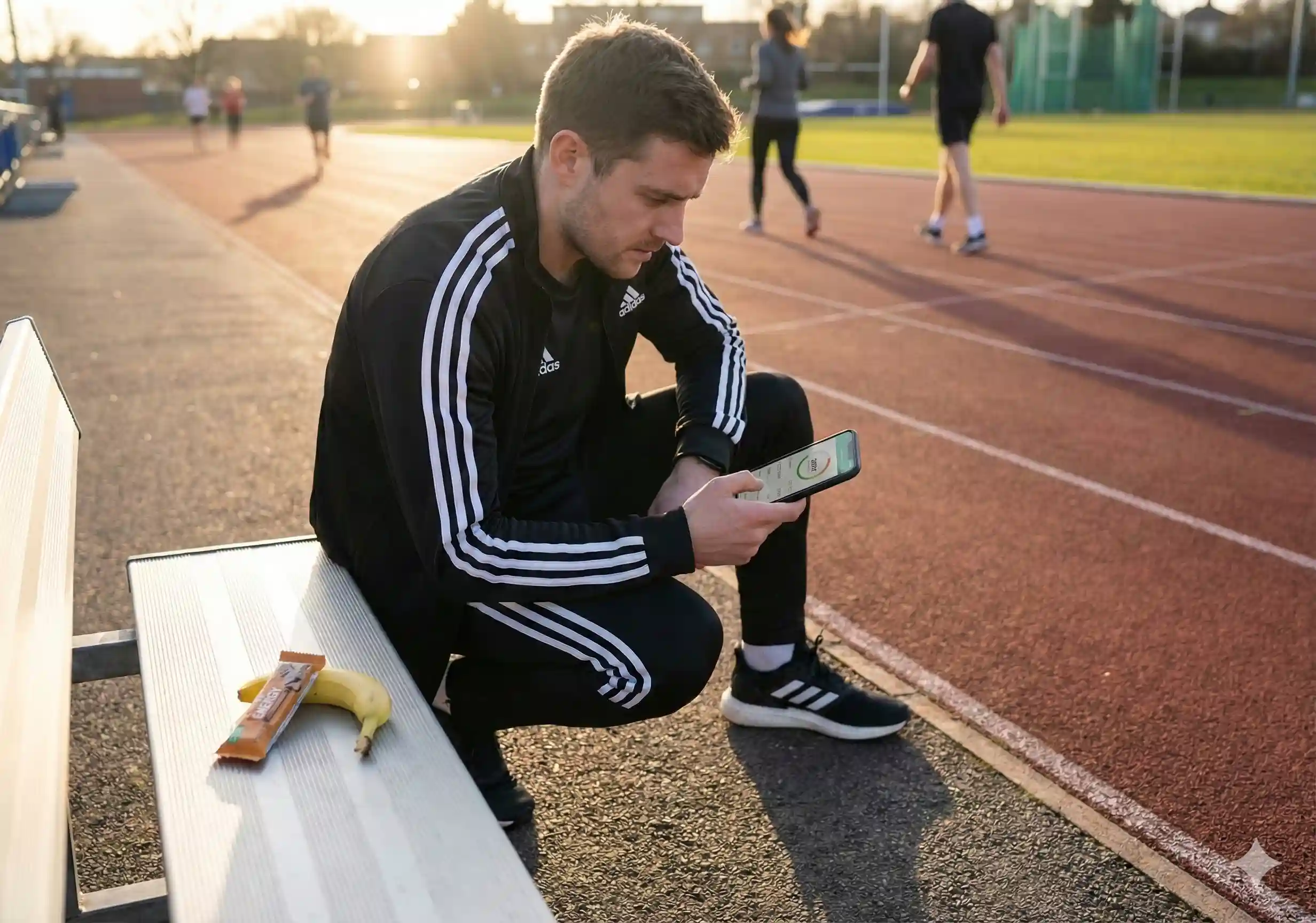
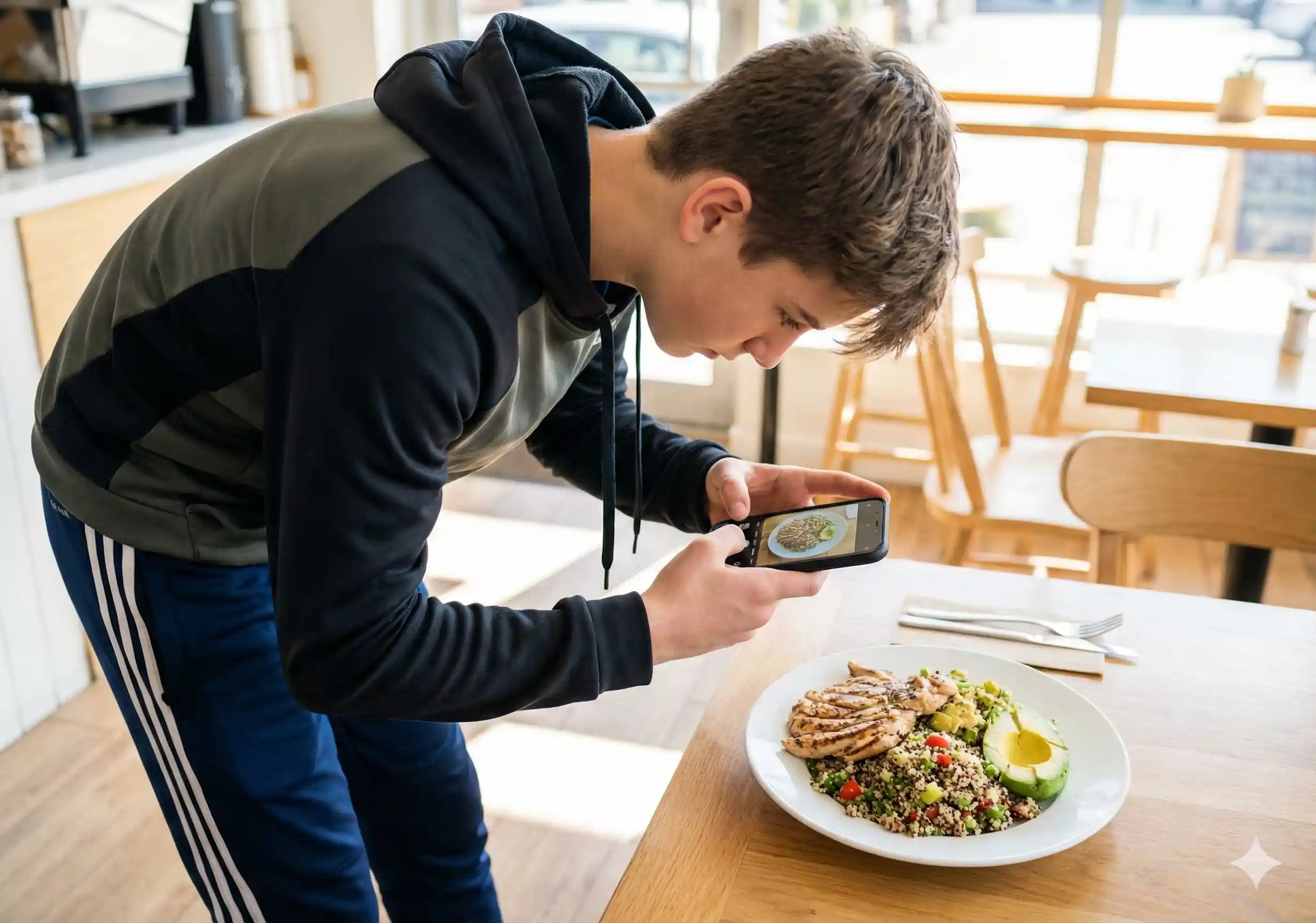
1. Use a Calorie Tracker (Awareness First, Not Restriction)
Understanding what and how much you eat builds awareness without extremes. A simple calorie tracker helps teens spot patterns (like sugary drinks or late-night snacks) and make smarter swaps.
- Focus on learning, not cutting aggressively
- Track meals some days, not obsessively
- Look for balance: carbs + protein + fats
Try: WeightBuddy: an easy, teen-friendly calorie tracker that focuses on awareness and healthy habits (not crash dieting).
2. Set Healthy, Realistic Goals
Weight changes during the teen years because of growth, hormones, and activity levels. Instead of chasing a number on the scale:
- Aim for habits (more veggies, more movement)
- Track energy, strength, and confidence
- Be patient—slow progress is normal and healthy
3. Cut Back on Sugary Drinks
Liquid calories add up fast and don’t keep you full.
Swap:
- Soda → sparkling water
- Sweet tea → unsweetened tea
- Juice → whole fruit
This single change can make a big difference.
4. Add Physical Activity You Actually Enjoy
You don’t need intense workouts. Consistency matters more than intensity.
Good options for teens:
- Walking or biking with friends
- Sports, dancing, swimming
- Short home workouts (15–20 minutes)
Aim for movement most days, not perfection.
5. Fuel Your Body With Real, Nourishing Foods
Think adding before removing.
Build meals with:
- Protein: eggs, chicken, yogurt, beans
- Carbs: rice, potatoes, fruit, oats
- Fats: nuts, olive oil, avocado
Balanced meals reduce cravings and support growth.
6. Don’t Avoid Healthy Fats
Fat is essential for hormones, brain health, and feeling full.
Include:
- Nuts and seeds
- Olive oil
- Fatty fish
Avoiding fat completely can backfire.
7. Limit Added Sugars (Not All Sugar)
You don’t need to cut sugar entirely.
- Reduce candy, pastries, sugary cereals
- Keep fruit—it’s nutritious and filling
Balance beats restriction.
8. Eat More Veggies (Without Forcing It)
Vegetables add volume and nutrients with fewer calories.
Easy ways to start:
- Add veggies to pasta or rice
- Try roasted veggies with seasoning
- Use dips like hummus or yogurt
9. Don’t Skip Meals
Skipping meals often leads to overeating later.
- Eat regular meals and snacks
- Include protein at breakfast
- Keep simple snacks available (fruit + nuts)
10. Avoid Fad Diets
Keto, detoxes, juice cleanses, and extreme fasting are not safe for teens.
They can:
- Slow growth
- Hurt mental health
- Cause rebound weight gain
Healthy habits always win long-term.
11. Practice Mindful Eating
Mindful eating helps teens reconnect with hunger and fullness.
Try:
- Eating without your phone sometimes
- Slowing down meals
- Noticing when you’re comfortably full
No guilt—just awareness.
12. Stay Hydrated
Water supports digestion, focus, and performance.
Tip:
- Carry a reusable water bottle
- Drink water before snacks
- Hydrate more on active days
13. Don’t Compare Yourself to Others
Social media doesn’t show real life.
Remember:
- Bodies grow at different speeds
- Health ≠ looking a certain way
- Your journey is unique
14. Reduce Stress
Stress can increase cravings and emotional eating.
Helpful habits:
- Walking outside
- Journaling
- Listening to music
- Talking to someone you trust
15. Cut Back on Ultra-Processed Foods
You don’t need to eliminate them—just reduce frequency.
Limit:
- Chips, fast food, packaged sweets
Aim for mostly whole foods, with flexibility.
16. Get Enough Sleep
Sleep plays a huge role in weight regulation.
Teens need 8–10 hours per night.
Lack of sleep can increase hunger and cravings.
What If Weight Loss Isn’t Working?
If you’re doing “everything right” and not seeing changes:
- You may still be growing
- Muscle gain can hide fat loss on the scale
- Hormones and stress matter a lot
Focus on health markers (energy, strength, habits), not just weight.
If concerns persist, talk to a doctor or registered dietitian.
Bottom Line
Learning how to lose weight as a teenager is really about learning how to take care of your body—for now and the future. Small, consistent habits beat strict rules every time.
Start with awareness, move your body, eat balanced meals, sleep well, and be kind to yourself.